
Inspection Readiness Is Not a Project — It Is an Operating State
Inspection Readiness - what it is and what it should be
12/27/20253 min read
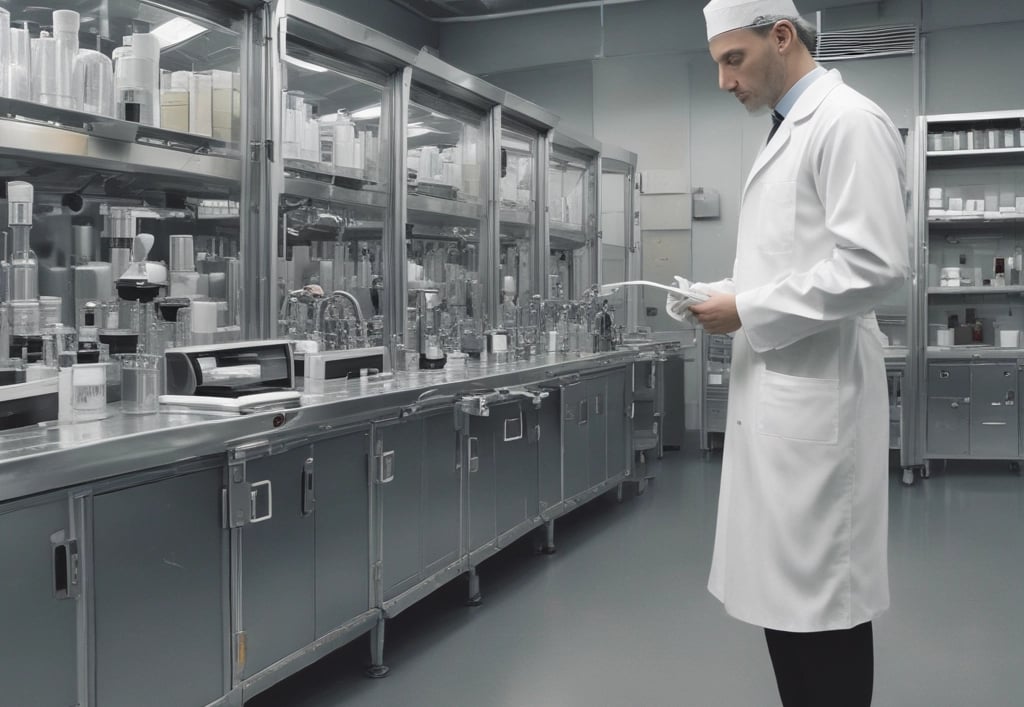

Stop Treating Inspections Like Pop Quizzes
You can always tell when a company only gets serious about inspections two weeks before the inspector arrives. The frantic SOP updates. The hastily scheduled "refresher" trainings. The quality manager suddenly reviewing every deviation from the past year.
Regulators can tell too. And they're not impressed.
The Pre-Inspection Scramble Is a Red Flag
When FDA or EMA inspectors walk through your facility, they're not just checking boxes on a compliance list. They're watching how your operation actually functions. And here's what immediately stands out: whether your quality system is real or performative.
Does your manufacturing team follow those SOPs on the wall, or are those procedures aspirational documents no one actually uses? When inspectors ask operators about a process step, do they get confident, consistent answers—or nervous glances toward management?
The worst signal you can send: visible signs that you only care about quality when someone's watching.
Why Most Companies Fail Inspection Interviews
Technical compliance violations get attention, but the majority of inspection observations stem from something simpler: people can't clearly explain their own processes.
An operator stumbles when asked about deviation classification. A QA manager can't articulate who owns environmental monitoring decisions. Two supervisors give contradictory explanations for the same cleaning validation approach.
This isn't a training problem. It's a systems problem.
When roles and responsibilities are genuinely clear—when people actually work within defined processes every single day—interviews go smoothly. When quality systems exist primarily in documents rather than daily practice, everyone knows it. Including the inspector.
What Actually Breaks During Inspections
The recurring themes in Warning Letters and 483s aren't complex technical failures. They're basic operational gaps:
SOPs divorced from reality – Procedures that describe an idealized process no one follows because it's impractical, outdated, or was never properly implemented in the first place
Inconsistent deviation management – Some deviations get deep investigation, others get perfunctory review. The pattern is arbitrary, depending on who's handling it or how busy the department is that week
Unclear ownership – Ask three people who's responsible for investigating cleaning validation failures and get three different answers
Fragmented knowledge – Critical process understanding lives in someone's head, not in your systems. When that person isn't available during the inspection, everything falls apart
None of these problems can be fixed with a two-week inspection prep sprint.
Building Real Readiness
Companies that consistently perform well during inspections share common characteristics. They don't operate differently when inspectors are on-site because they're already doing things right.
Process ownership is explicit and enforced. Everyone knows who owns what. Decision-making authority is documented and actually followed. When problems arise, there's no confusion about who needs to act.
Internal reviews are routine, not theatrical. Quality doesn't wait for scheduled audits to check if processes work. Mock inspections aren't elaborate rehearsals—they're regular business activities that happen because management wants to know if systems function as intended.
Your story is consistent because it's true. The best inspection preparation is having a clear, honest narrative about your operations that aligns with observable reality. When your batch records, your procedures, your training records, and your employee interviews all tell the same story, you're not preparing for inspection—you're just running a good operation.
The Management Test
Here's the simplest way to evaluate your inspection readiness: Could your facility handle an unannounced inspection tomorrow morning?
Not "could you scramble and make it work," but could your operation demonstrate compliance and control without preparation? Would your staff confidently explain their work? Would your documentation reflect actual practice?
If the honest answer is no, you don't have an inspection readiness problem. You have a quality system problem.
What This Really Means
Inspection readiness isn't a checklist. It's not something quality assurance "handles" while manufacturing keeps producing. It's a fundamental characteristic of how your entire operation functions.
Regulators understand this clearly, which is why they focus so heavily on interviews and observable behaviors during inspections. They're not trying to catch you unprepared—they're trying to understand whether your quality system is embedded in your culture or just documented in your files.
Companies that treat inspection readiness as a permanent operating state don't outperform during inspections because they're better at audits. They outperform because their quality systems actually work every single day, whether anyone's watching or not.
That's not inspection preparation. That's just good manufacturing.
Services
Expert support for quality management and inspections.
Check the Services Section for more info.
Contact
Quality
office@austrianpharmaservices.com
© 2025. All rights reserved.